

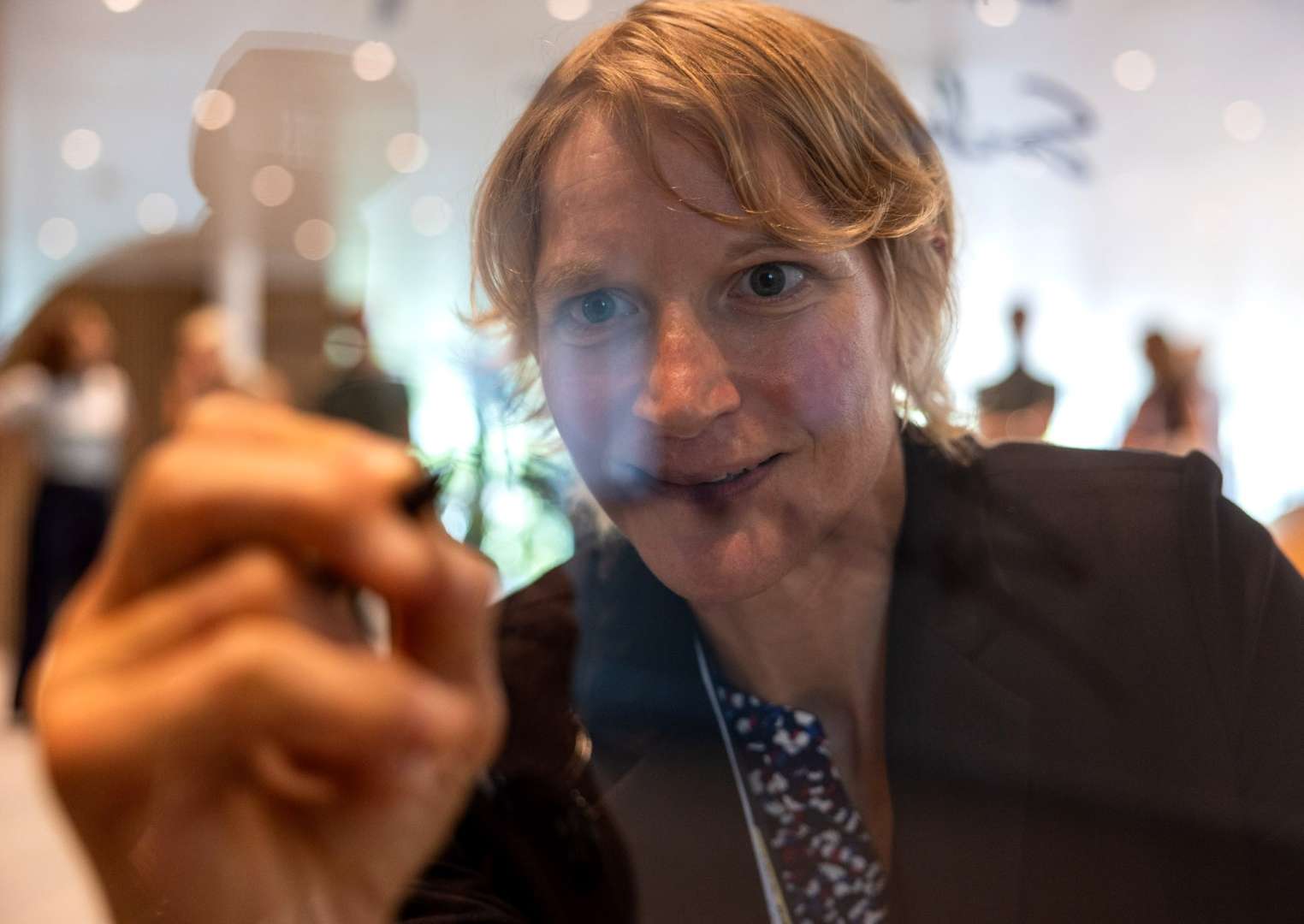
Their signatures followed the special ceremony held the previous day, which had brought together the largest group of judoka ever to sign the wall at the headquarters of the International Olympic Committee. Yet this moment carried a particular symbolism. Separated by generations, Klaus Glahn and Sabrina Filzmoser embody the same enduring Olympic spirit: one helped shape the earliest Olympic chapter of judo, while the other has carried its values far beyond competition.
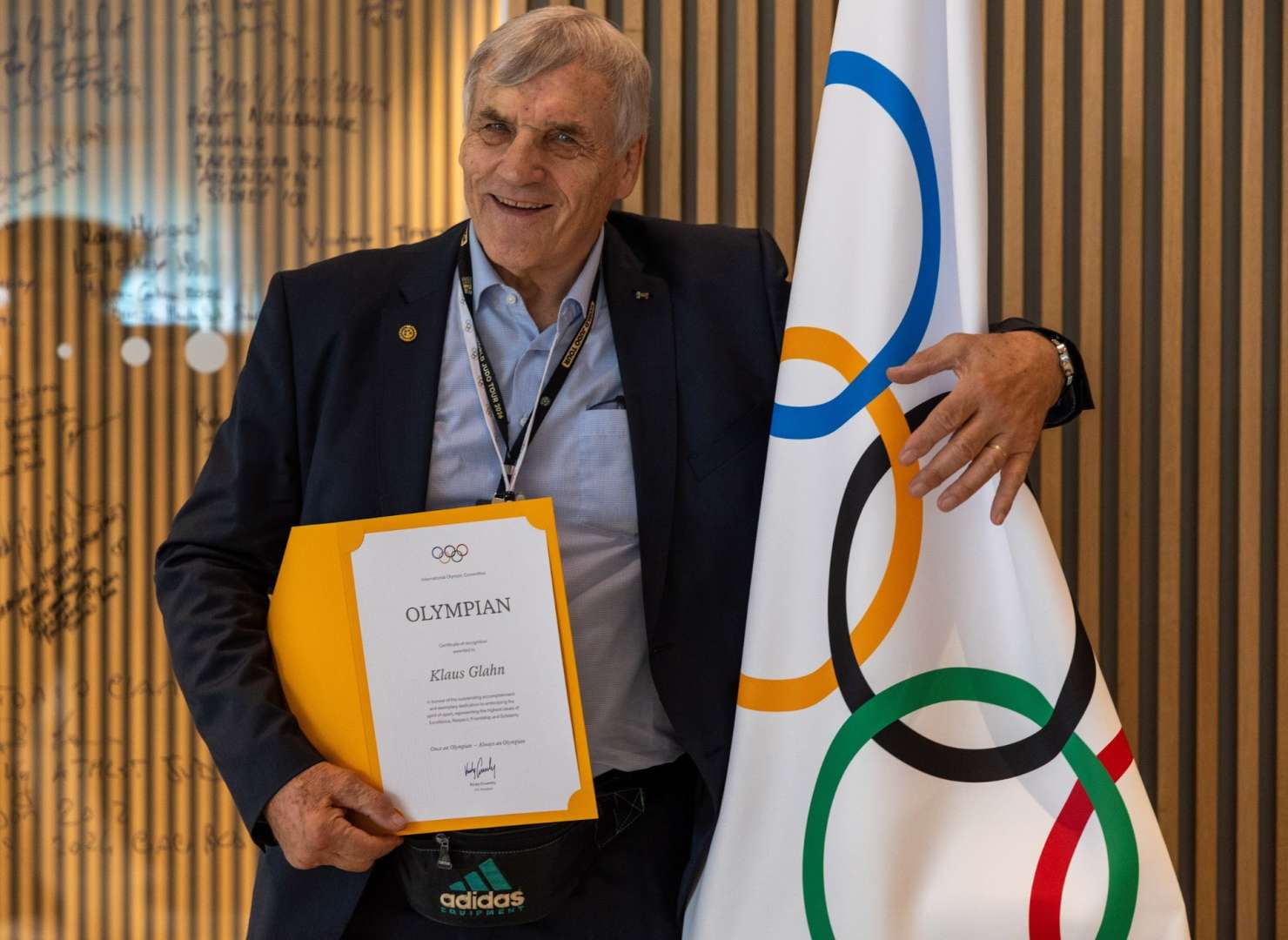
Klaus Glahn was present when judo first entered the Olympic programme in Tokyo in 1964. Representing the United German Team, he won bronze in the open category and became part of a generation that placed judo firmly on the world’s greatest sporting stage. Eight years later, at the Munich Olympic Games, he added heavyweight silver to his collection for West Germany.
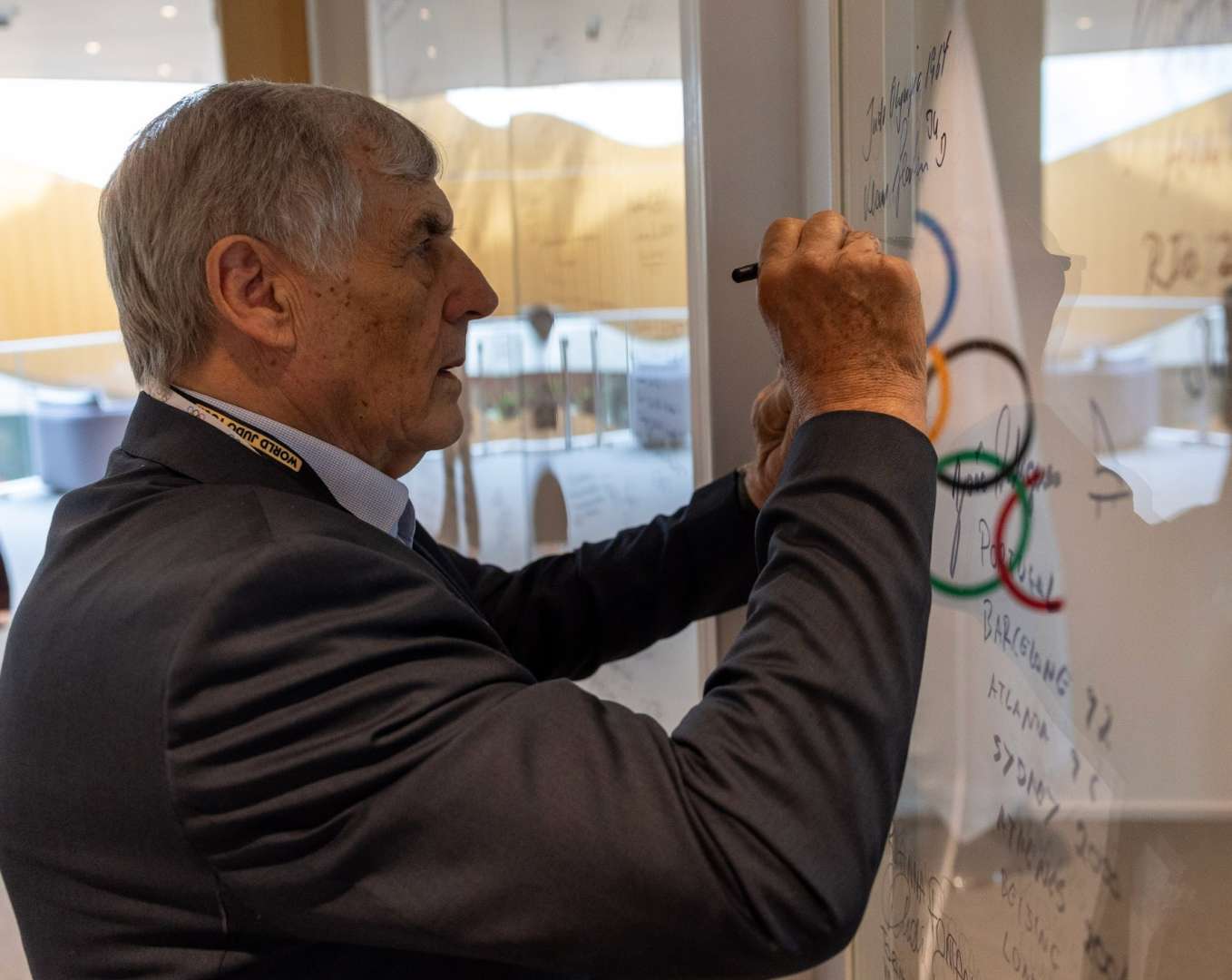
One of the dominant European heavyweights of his era, Glahn won five world championship medals between 1967 and 1973, three European titles and eighteen West German national titles. Lausanne holds its own place in his remarkable story: it was here, in 1968, that he claimed one of his European crowns. Almost six decades later, he returned to the Olympic capital to add his name to a wall celebrating those who have lived the Olympic dream.
Sabrina Filzmoser’s Olympic journey belongs to another era but it is no less inspiring. The Austrian competed at four Olympic Games, from Beijing 2008 through to Tokyo in 2021. Twice a world bronze medallist and twice European champion, she built one of the most distinguished careers in Austrian judo before retiring from international competition in 2023.
Her contribution, however, has never been confined to medals. Since London 2012, Filzmoser has developed a deep connection with the Himalayan region, supporting judo and educational projects in Nepal and Bhutan. As a former chair of the IJF Athletes’ Commission and today an IJF Climate Ambassador, she has used her experience and visibility to create opportunities for young people and to build bridges between communities.
Her climb of Mount Everest in 2022, when she left her black belt at the summit, became a powerful symbol of that commitment. Today, through the Forever Everest project, she continues to combine sporting challenge, environmental awareness and human connection.
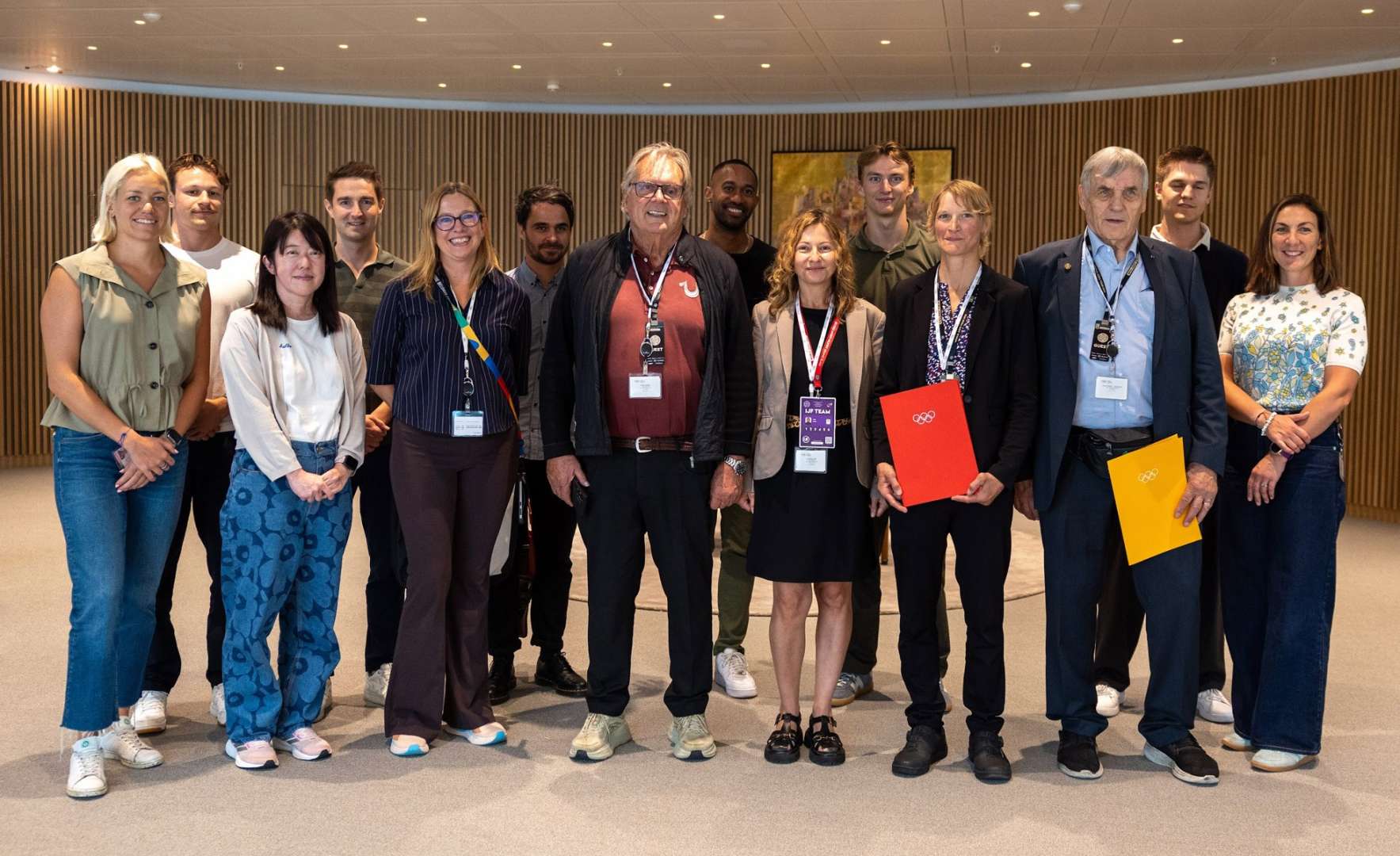
At Olympic House, the signatures of Klaus Glahn and Sabrina Filzmoser brought together two stories and two generations. Both have worn the judogi at the Olympic Games. Both have given much more to judo than their results alone can express.