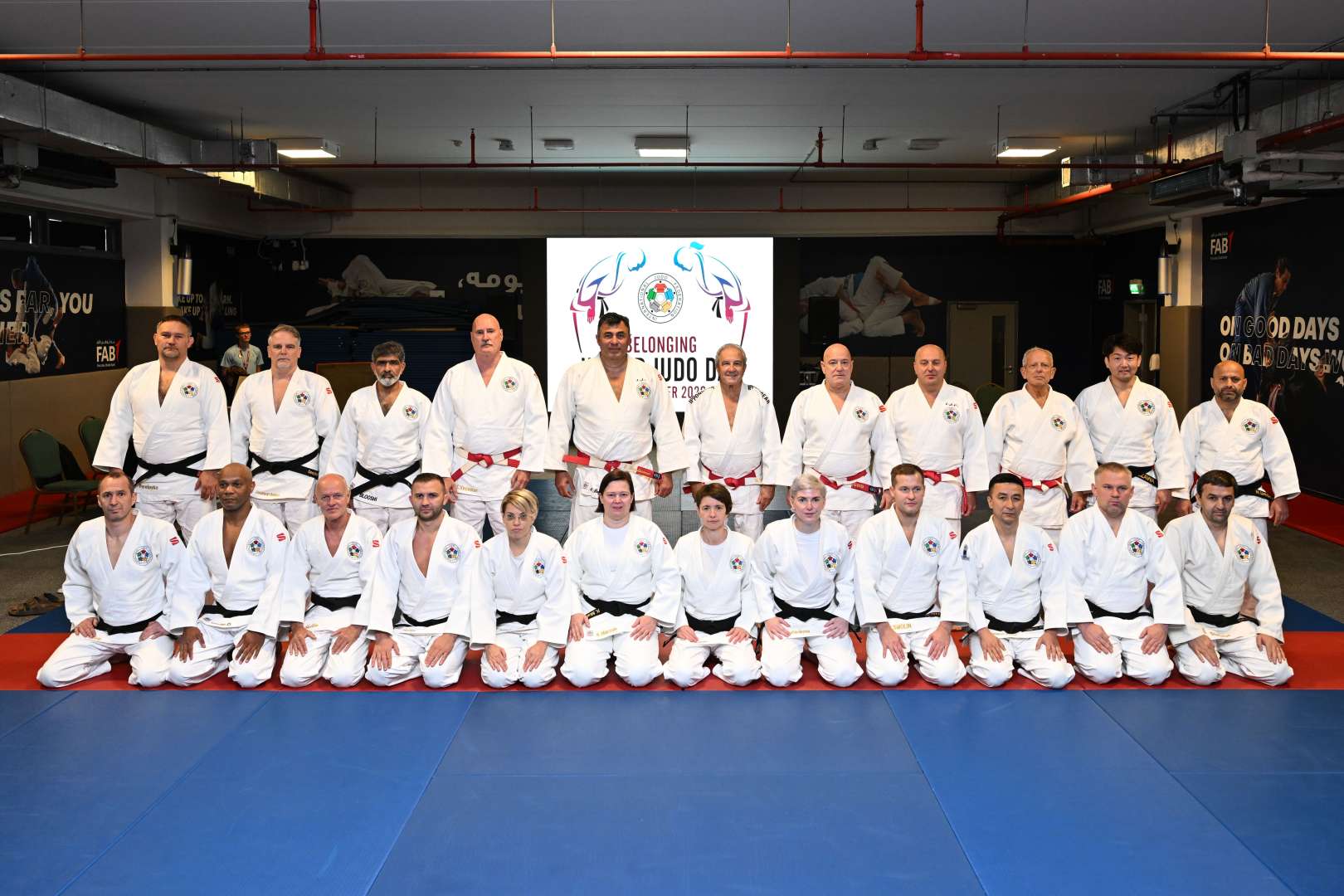

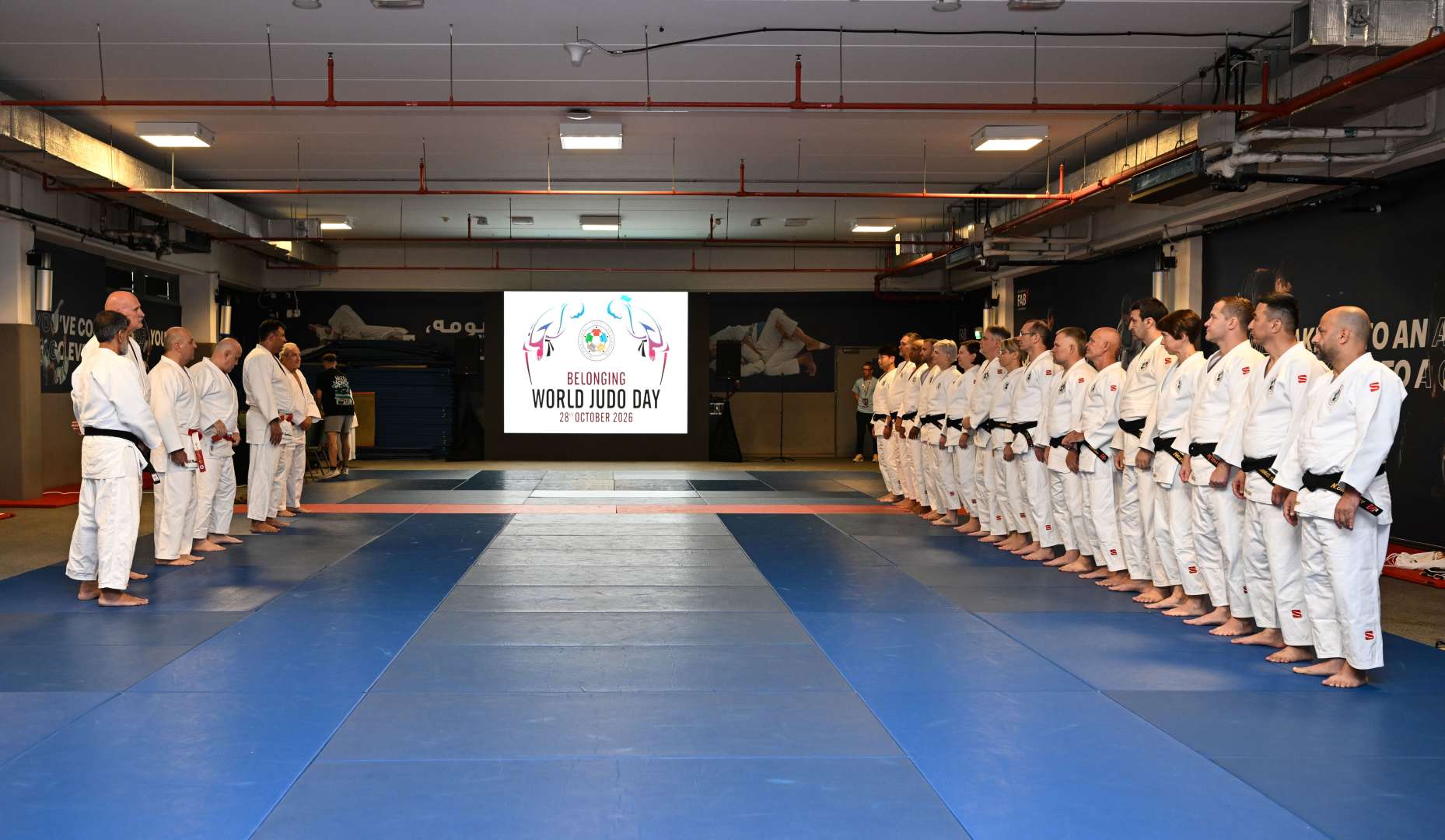
Several topics were placed on the agenda, including the process of applying penalties, false attacks, consistency, the timing of ‘osaekomi’ calls and more. All elements were reviewed in both theory in practice; as usual, the session was held on the tatami.
There was a thought-provoking discussion about the speed at which a shido should be given, not to interrupt the run of play but to be registered at the right moment when an infringement occurs. The referees played with gripping situations and took some time to build into attacks, thinking about the complexity of that at world championship level. Following on from that, demonstrations took place of different versions of the false attack, noting that sometimes a failed attack must be acceptable, especially if tori shows they are remaining engaged.
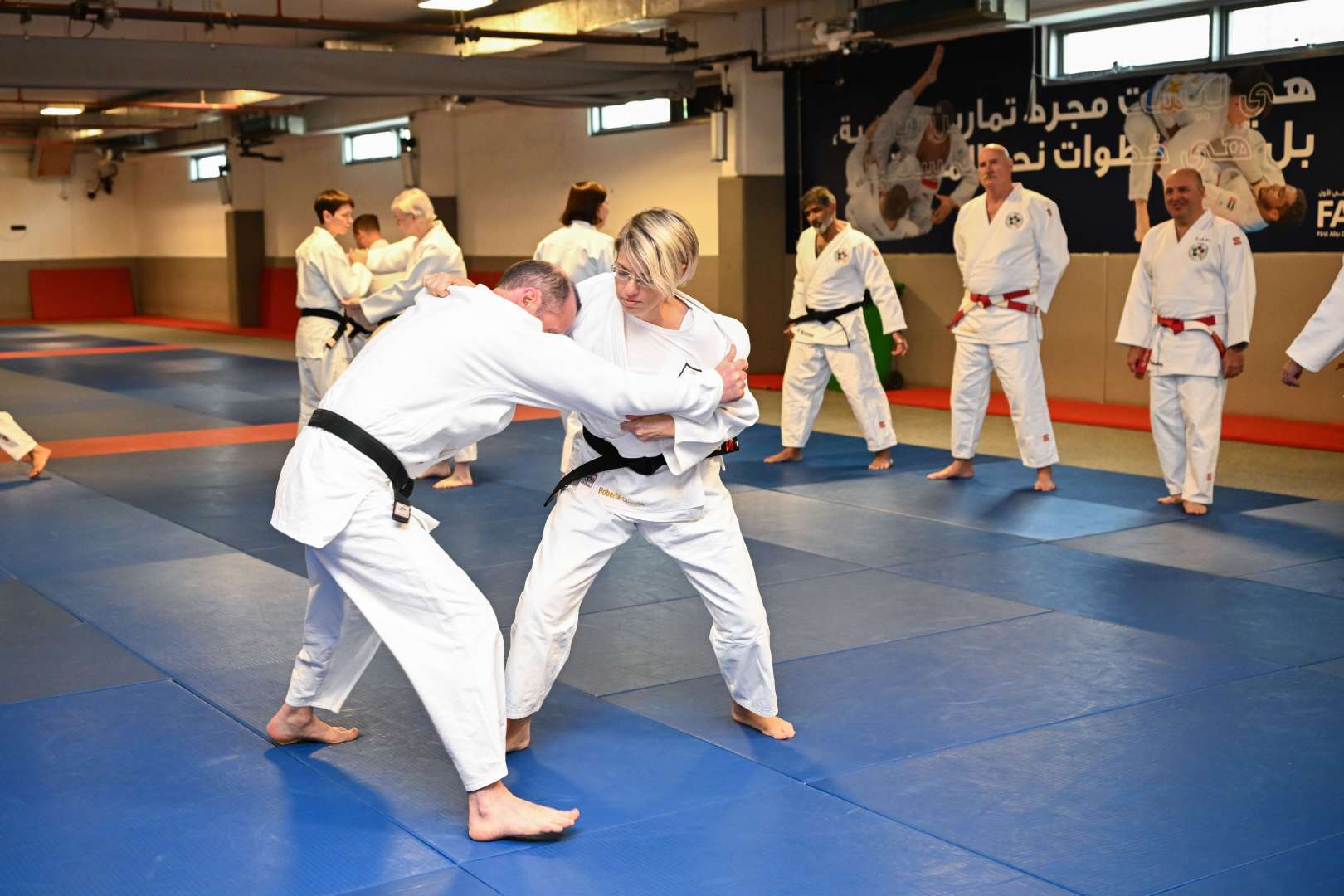
Raul Camacho Perez noted that a false attack, in the case of tomoe-nage, is clear if the distance is too great and that format is repeated, or if the attack is one-handed. “To score from one hand is almost impossible. On rare occasions tori can produce some real defensive movement from uke, in which case there is no shido, but generally a one-handed tomoe-nage results in a shido being applied.”
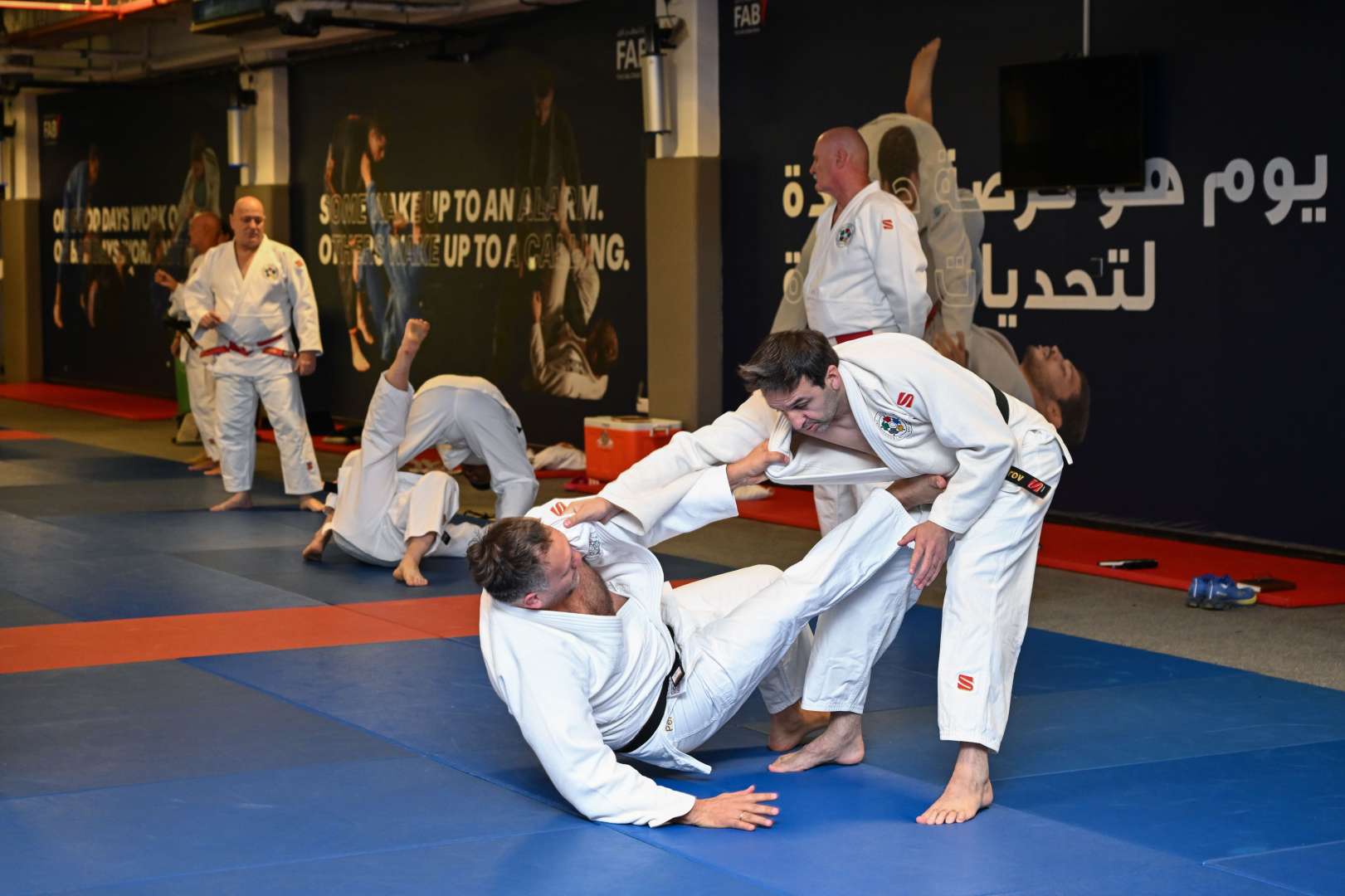
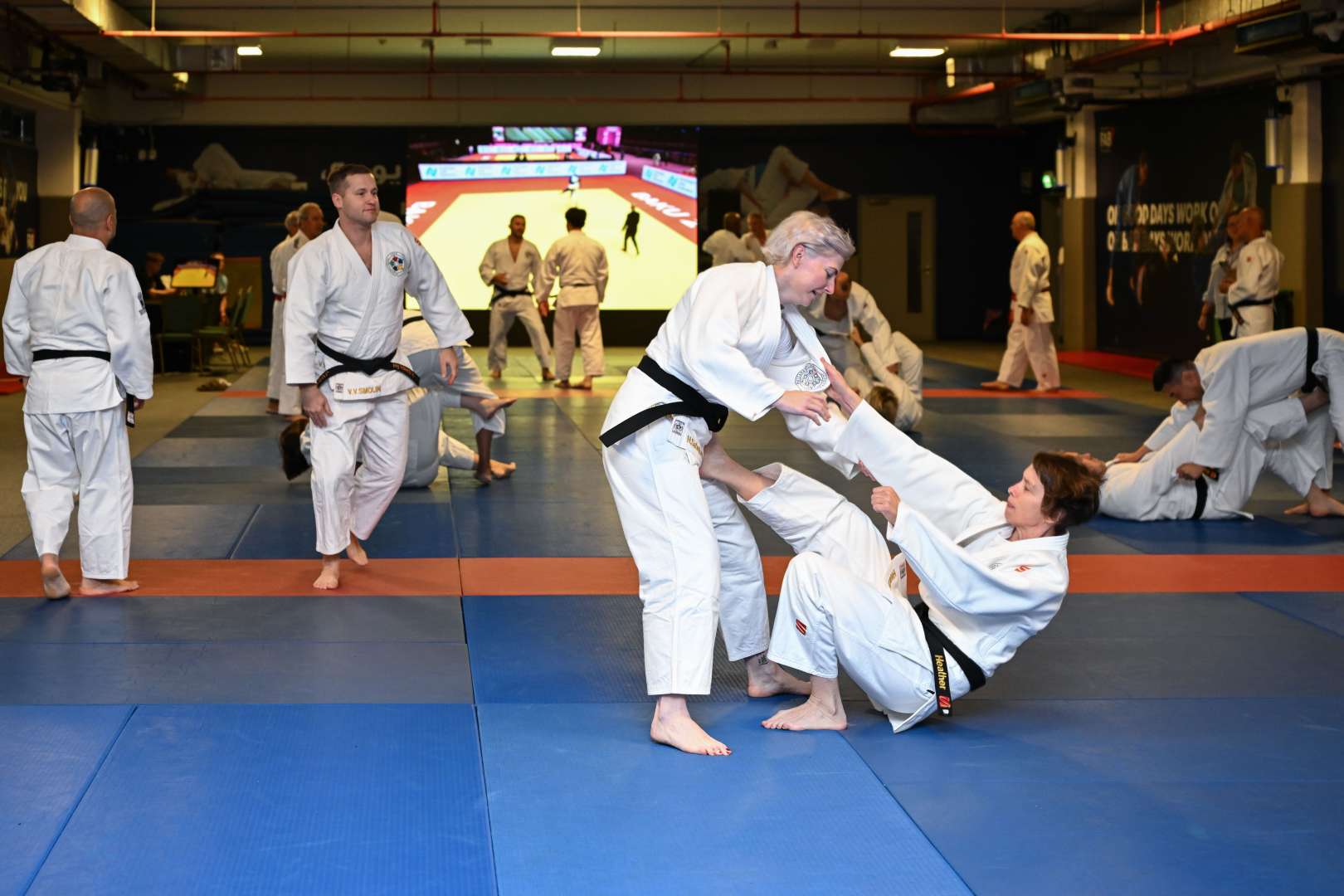
Juan Carlos Barcos then warned, “We must be aware of consistency. Apply the rules, of course, but it is possible for the emphasis to change through an event; strict at the beginning and more lenient towards the end, for example. Therefore, we must give more time to the active and positive judo from the beginning and not to the negative judo. We must see the directions, the gripping and the willingness to engage and ensure we reward and penalise evenly.”
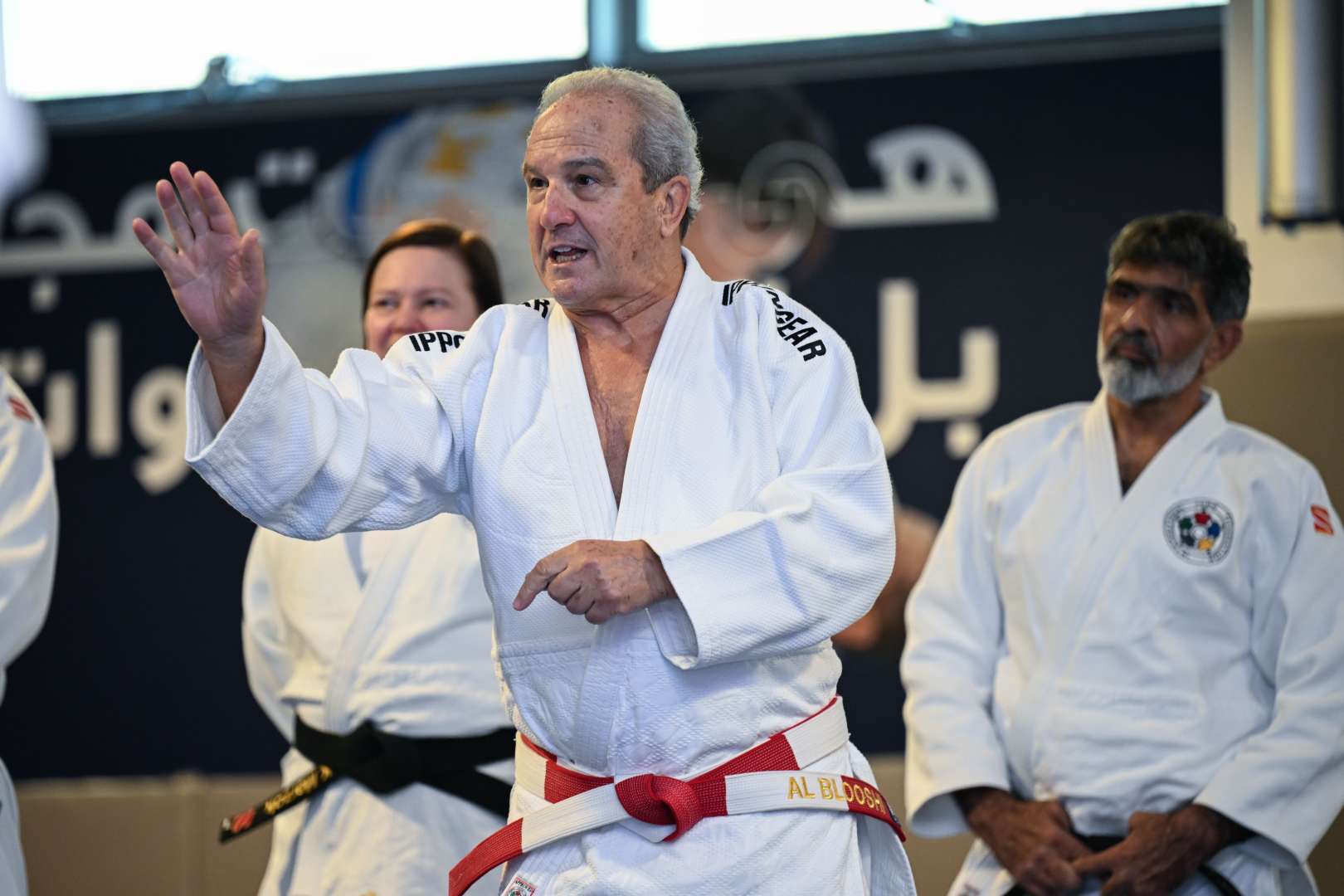
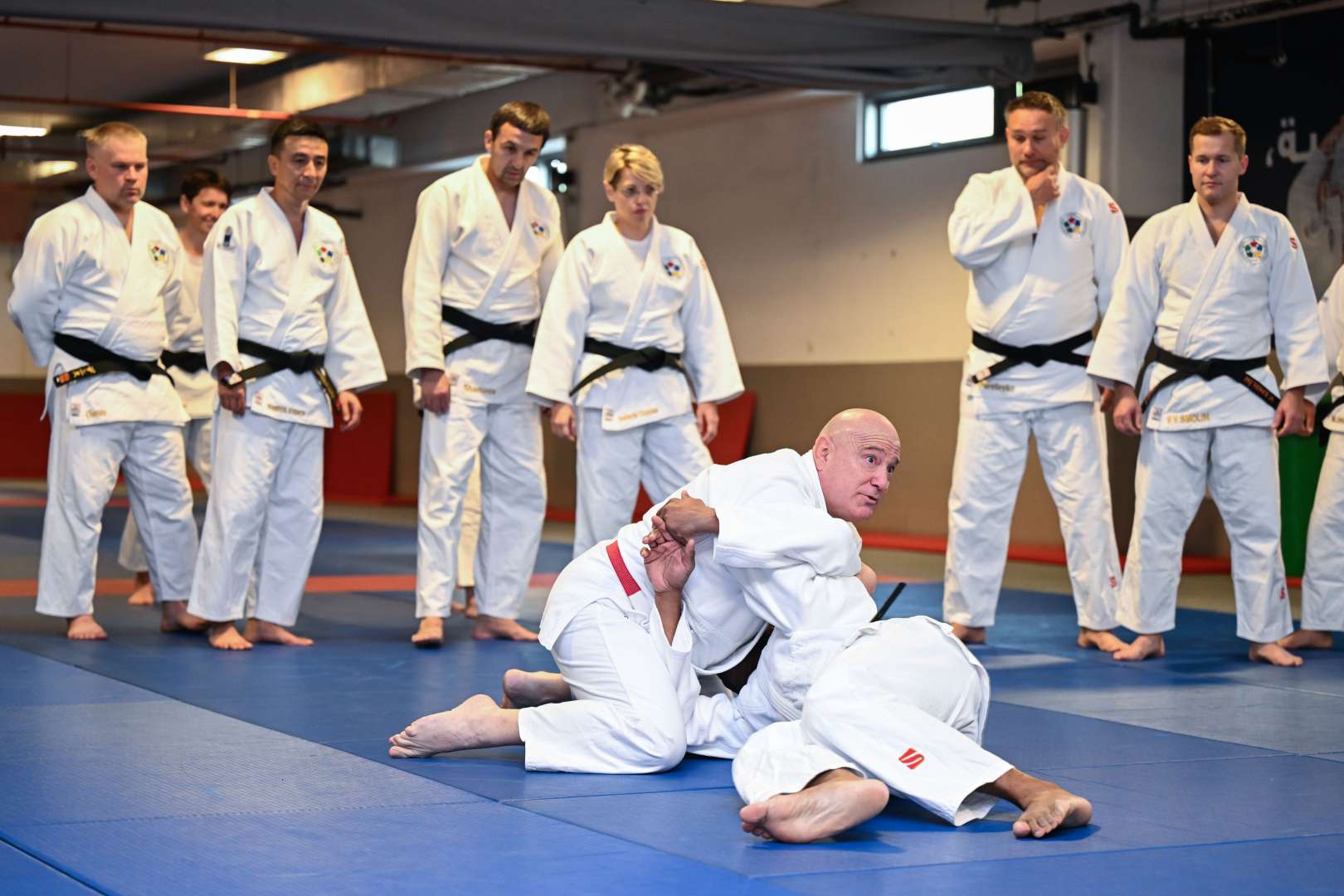
There was then a conversation about the timing of the ‘osaekomi’ call. Mr Camacho Perez confirmed that osaekomi must begin with uke’s back on the mat. If they move after the call, that’s different as tori may still have control, but the beginning must be from the back.”
Armen Bagdasarov supported this part of the class, saying, “Also, don’t call ‘mate’ too early when tori is working towards the osaekomi. Some situations may take time but can still be positive and progressive.”
As the session moved on to penalties in ne-waza, video clips, practical work and revision of the SOR assisted to clarify that when uke crosses the face or tori with their leg in an effort to escape osaekomi, this should be a shido. The rule of not putting hands or legs in an opponent’s face has not changed and it should be applied.”
The last point off the day came from a short video clip which had earned some attention on social media. It concerned a ‘pick-up’ technique in which tori picked use up from a ne-waza position and threw them cleanly on to their back. Picking up from the floor cannot be a score, no matter how beautiful the finish may be. If uke accepts the position and takes part in the standing action, then either judoka can score but this must be a valid tachi-waza technique and of course cannot include grips on the legs.
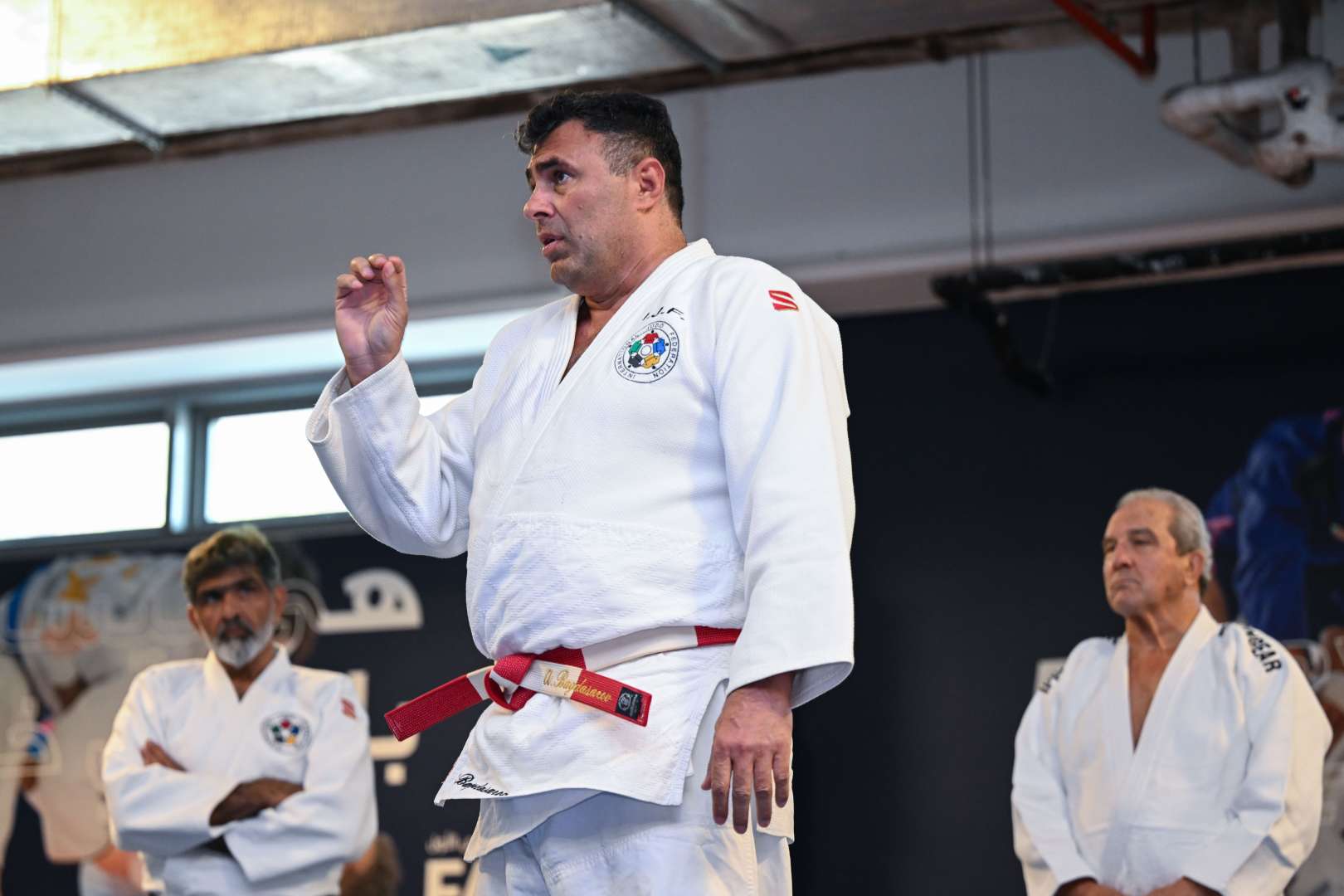
Armen Bagdasarov said, “To score in tachi-waza requires a tachi-waza technique. Even if uke is not quite in a ne-waza position, the technique being applied is relevant. If tori attacks with a throwing technique then it could be scored but if they attack with a ne-waza technique, it should be considered ne-waza, through tori’s choice.”
There were many important details which seemed small at first but could change the rhythm of a contest. Each point was discussed to a conclusion to ensure that the entire refereeing team would be working in the same way during the competition. The referees and the IJF Refereeing Commission continue to work hard to ensure the correct winner leaves each contest happy with their result. This drive towards fair play, consistency and excellence remains the core focus of referee education.