
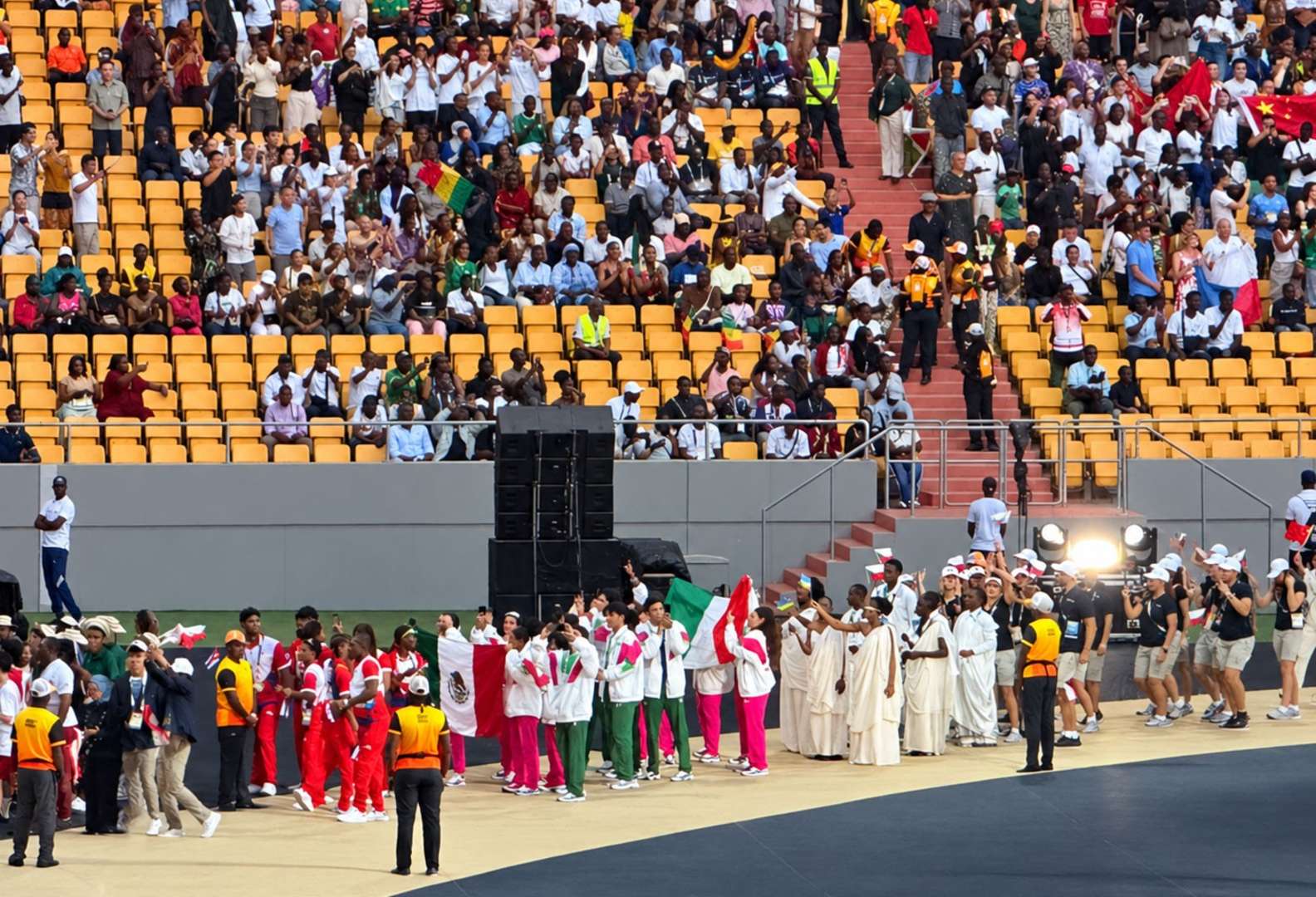
At the Stade Abdoulaye Wade in Diamniadio, the opening ceremony offered a vibrant welcome to the world. Music, dance and colour celebrated Senegalese hospitality and Africa’s creativity, bringing traditional rhythms into conversation with contemporary artistic expression. More than 1,100 performers helped tell a story connecting generations, honouring cultural heritage while looking towards the future. Senegalese President Bassirou Diomaye Faye declared the Games open, before the lighting of the cauldron brought the evening to its symbolic climax. For the first time, an Olympic sporting event had opened on African soil.
An opening ceremony has a rare power. Before the first result separates winners from those who must try again, it brings everyone together. Different languages, different journeys and different ambitions share the same space. The athletes who will soon face one another in competition walk side by side, united by the simple joy of having made it this far. For a few hours, the anticipation of performance becomes a celebration of belonging.
Among the most powerful images are those of the flagbearers. There is honour in being chosen, joy in stepping into the stadium and responsibility in carrying the colours of an entire delegation. For these young athletes, this is the biggest occasion of their sporting lives so far. Behind each flag are team-mates, families, coaches and communities; people who have encouraged them, made sacrifices for them and will be watching from home.
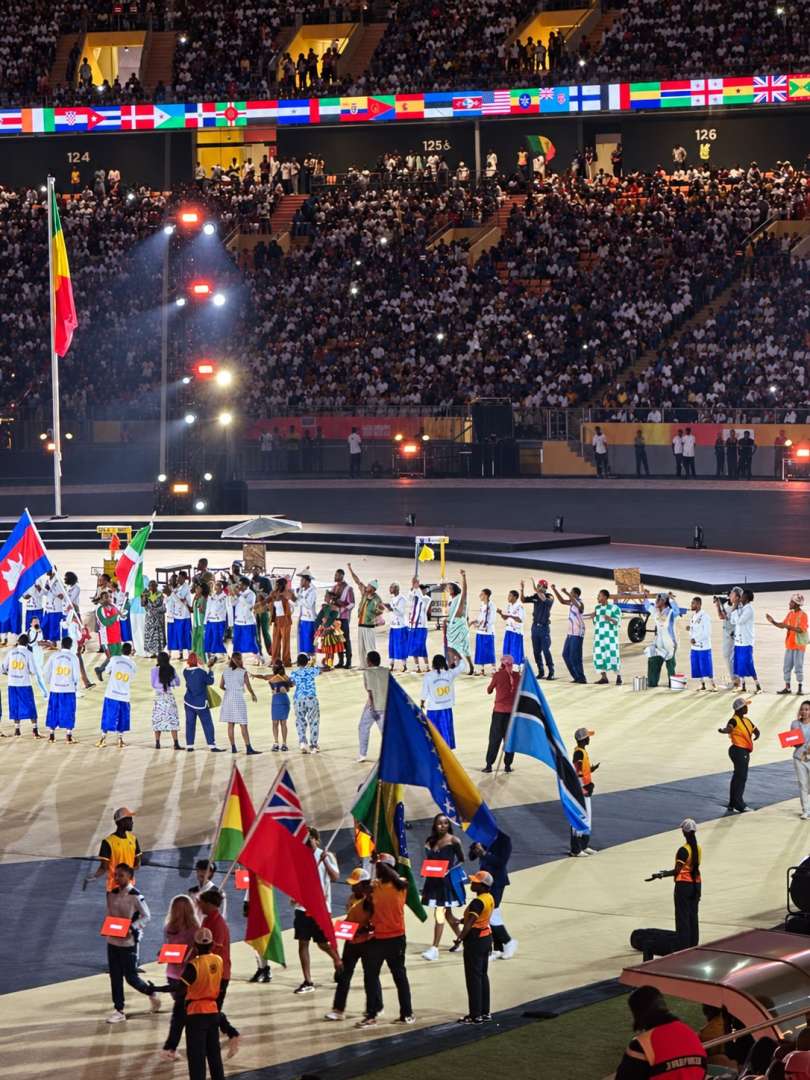
Dakar has welcomed athletes representing 204 National Olympic Committees, alongside the Youth Refugee Olympic Team: 205 delegations brought together for these Games. Among those entrusted with leading their teams into the stadium were 40 judoka. Forty young people whose experience of this opening ceremony carried an additional meaning, with their own excitement accompanied by the pride of representing others.
Their delegations span the globe: Germany, Barbados, Belgium, Cameroon, Congo, Costa Rica, the Dominican Republic, Kazakhstan, Kyrgyzstan, Kosovo, Malawi, Morocco, Mauritania, Mexico, the Republic of Moldova, Niger, Portugal, Slovakia, Tunisia and Venezuela, Angola, Bhutan, Burundi, Cyprus, Croatia, the United Arab Emirates, Georgia, Israel, Jamaica, Japan, Lithuania, Madagascar, Mongolia, Uzbekistan, São Tomé and Príncipe, Serbia, Slovenia, Tajikistan, Ukraine and Zambia.
The number is striking. It speaks of judo’s reach, of its presence across continents and of the place its young practitioners hold within their national sporting communities. From countries with long-established judo traditions to those where the discipline is still growing, these flagbearers offered a moving picture of a sport connected across borders. Each had followed a different path to Dakar. On this evening, each carried the same honour.
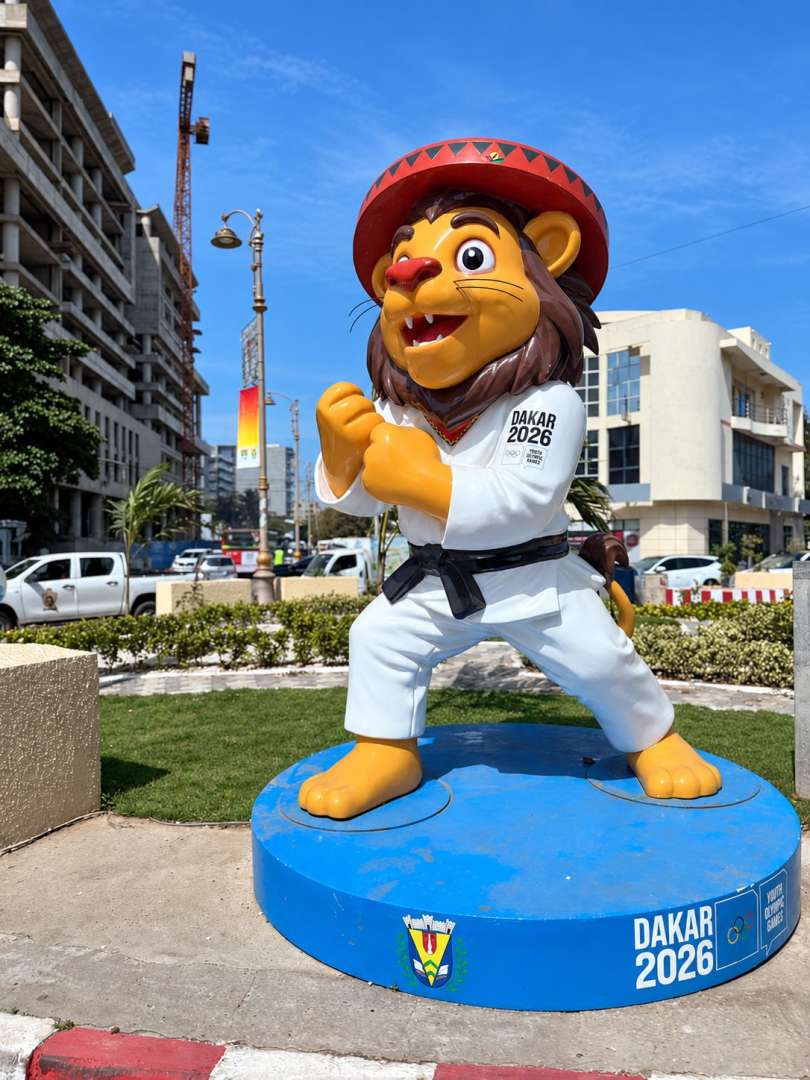
For 11 of them, the first day of competition was already just hours away. Soon, their attention would turn to warming up, gripping a judogi and answering the referee’s call. Yet they would not have missed this moment for the world. There are experiences that become part of an athlete’s story long before a medal is won, and entering an Olympic stadium at the head of a delegation is one of them.
One day, some may walk into another stadium, at the Olympic Games, with more experience behind them and new ambitions ahead. Perhaps, as they wait for their delegation to move, they will remember Dakar: the sounds, the lights, the faces of their team-mates following behind them. They will remember that on 31st October 2026, they carried their country’s colours on a night when Africa welcomed the Olympic world.
Now the competition begins. There will be victories, disappointments, surprises and lessons but these 40 judoka already share something that no result can take away: the memory of leading their teams into history, with a flag held high and a whole future still to discover.
Photos Estony Pridgeon