
Thinking about the language we use for reporting and how the other senses are applied in competition, we can begin to understand how the majority of the world is structured for the sighted and why the challenges will forever be access and perception. See, spectator, focus, appear, watch; these are all words which don’t quite apply in the same way in Para judo as they do in mainstream judo, a distinction not always grasped from the outside.
Let’s think about the cues the athletes receive. A blind child does not have the ability to receive visual feedback from facial expressions or body language and therefore doesn’t learn to respond to life that way, not in the same way a sighted child would. In Para judo, for sighted officials and spectators, a lack of the usual, instant celebratory expressions is often apparent. For the athletes, their feelings are translated differently, into responses that can be heard or felt rather than seen. Nothing is for show, everything is natural. Maybe there is a jump of joy or a pair of fists thrust into the air, at no-one in particular.
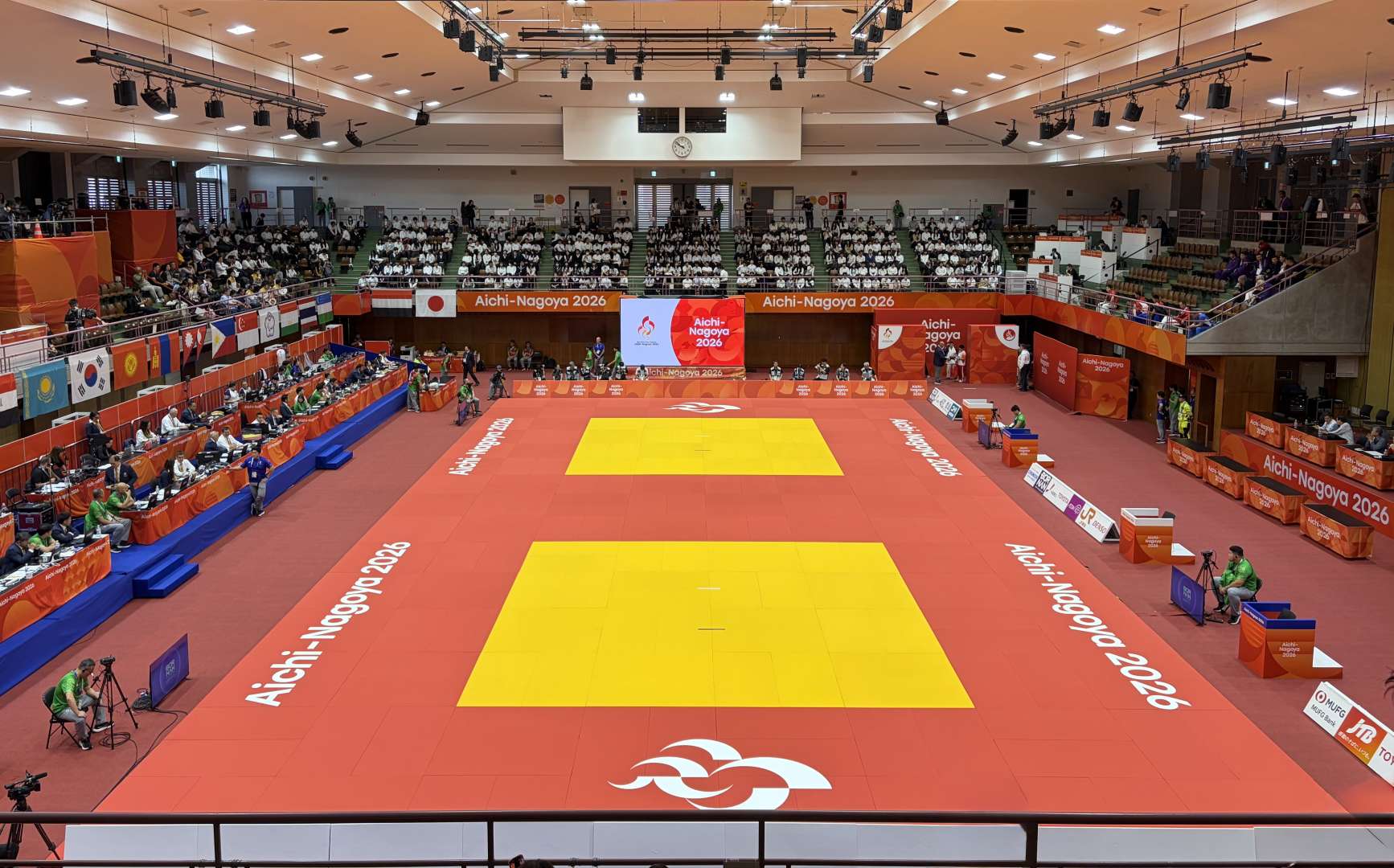
At the Aichi-Nagoya Asian Para Games, there are many examples of sound and touch taking the place of vision. Athletes often celebrate loudly, in a way that is not expected at mainstream events. Teams of visually impaired athletes can also be loud in the seating, yelling at their teammate on the mat. Sometimes this cheering seems out of sync with the action or is disproportionately loud but the competitor cannot see that they have support in the venue so to hear it becomes necessary. The teammates don’t know how far their vocal support needs to travel so they make sure they can be heard. In mainstream competition, teammates may give live guidance regarding technique or gripping but in Para judo it is about sharing in the moment, supporting each other in a way that can be felt, unequivocally, and perhaps firing key words at them as reminders.
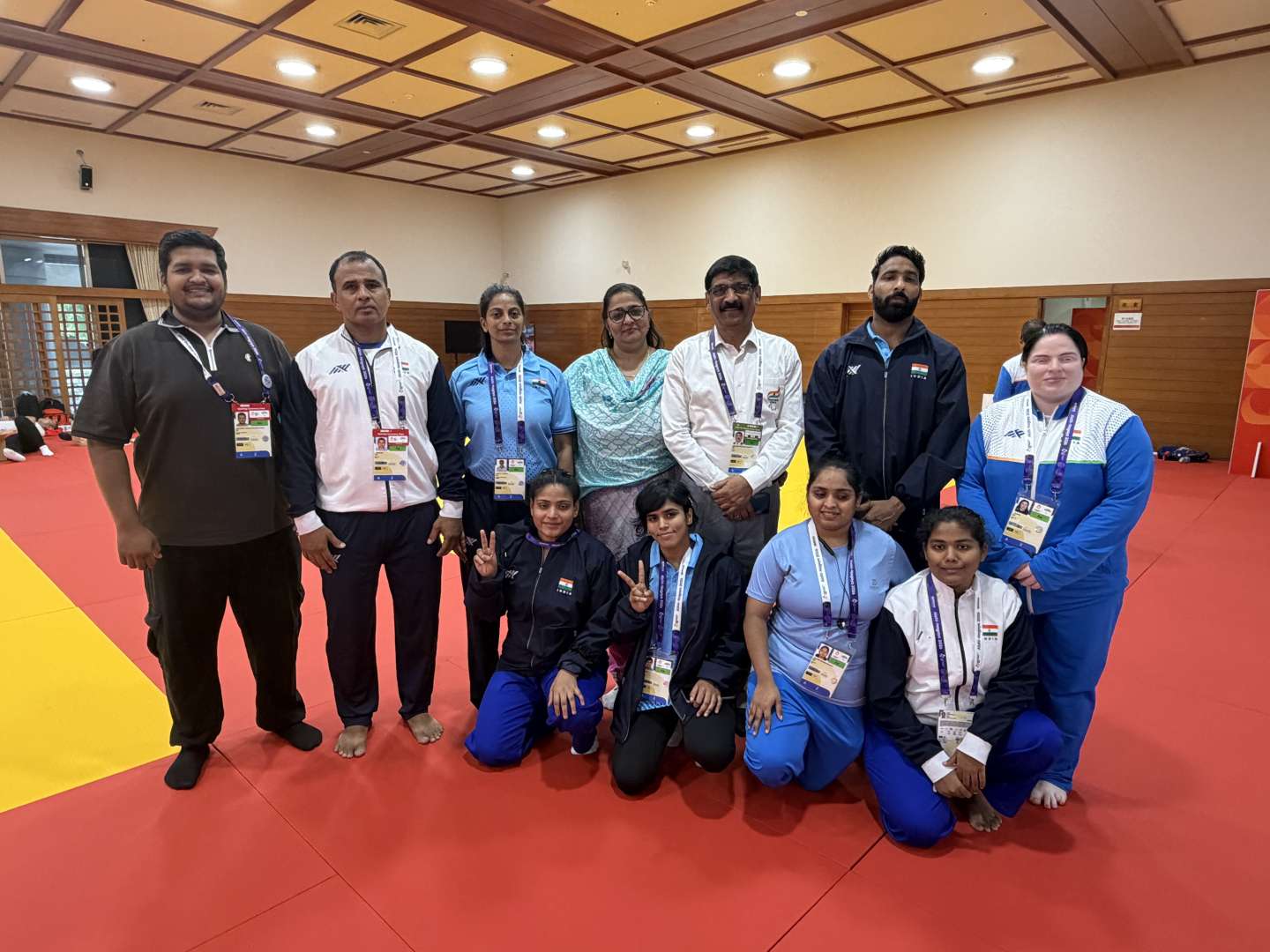
Sound continues to be important at the performance end of things too. Coaches are allowed to continue to communicate with their athletes through the ‘hajime’ phases of contests. It should be to warn of the edge of the tatami, supported by referees calls, or to give time information, for example. It should not be extreme but a lot of leeway is given.
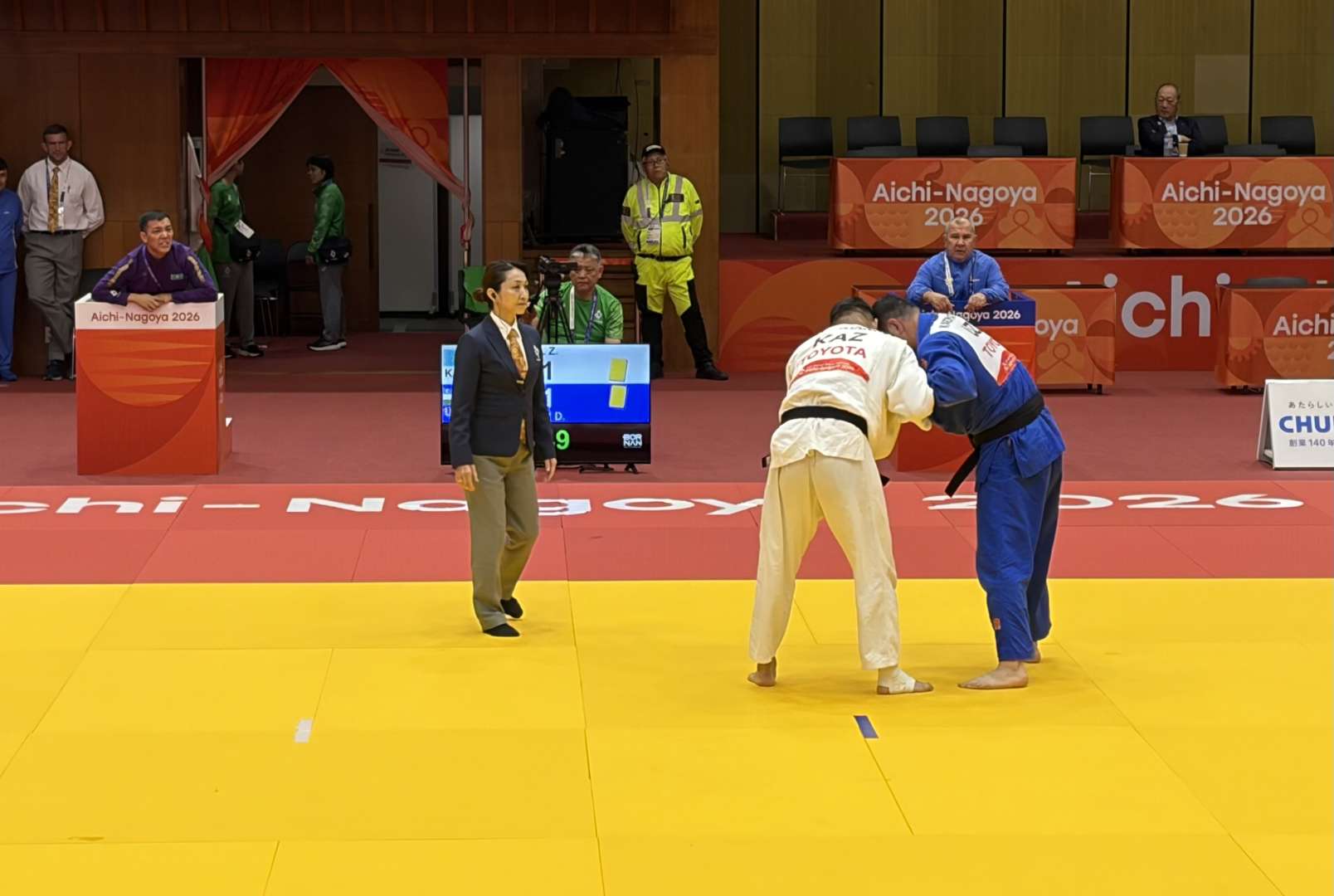
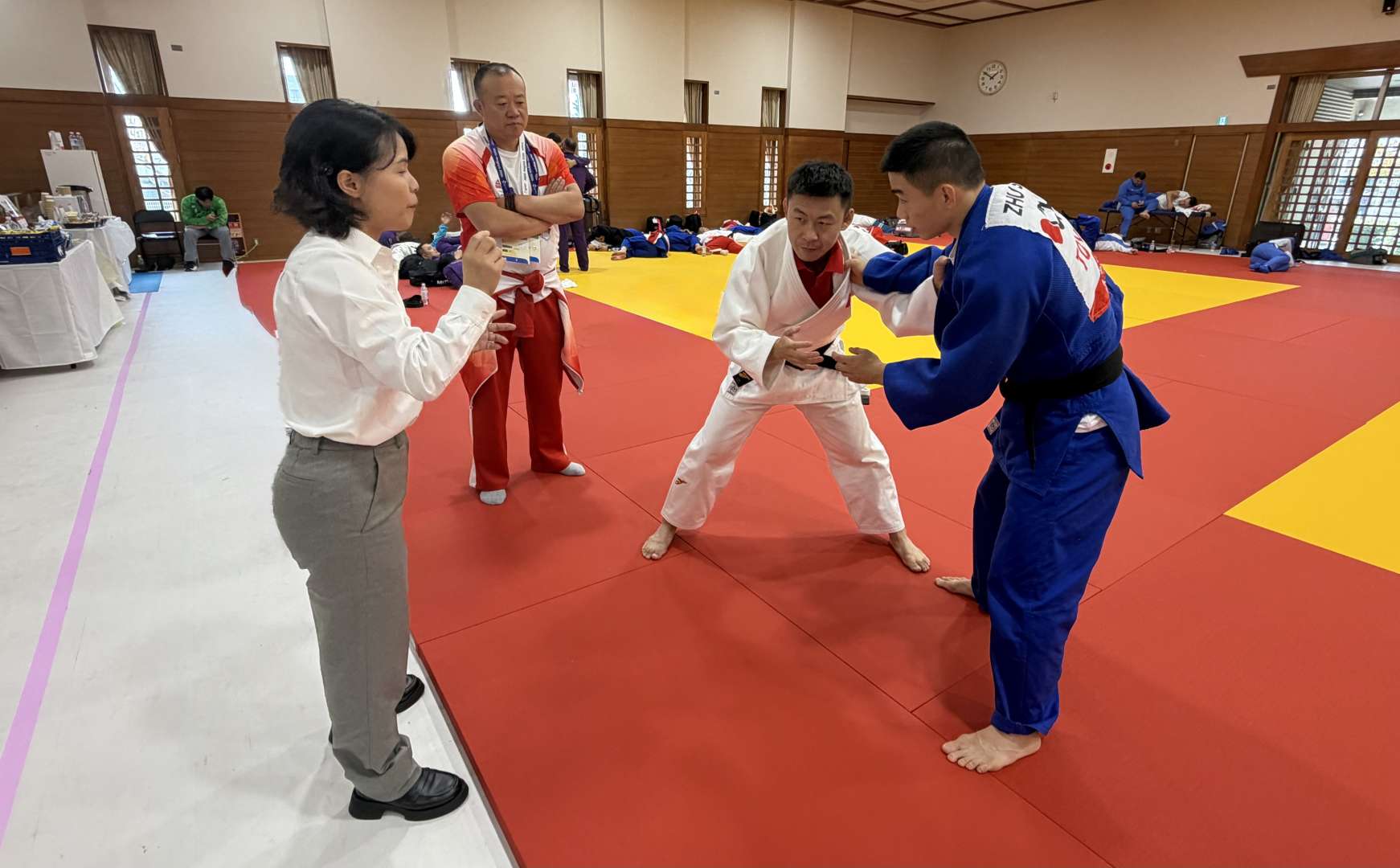
Touch is also used to convey information. Yes, mainstream judoka may hug one another at the end of a contest but there are additional mechanisms in Para judo which employ touch in place of sight. Referees and coaches will act as escorts to ensure athletes arrive at their starting positions correctly. Referees may use touch, in a limited way, to guide kumi-kata at the beginning of each exchange. If an athlete is deaf too, the referee will use touch to signal ‘hajime’ and ‘mate.’ Without sight, touch becomes more meaningful and communicative and is an essential feature of a Para athlete’s connection to the world and to other people.
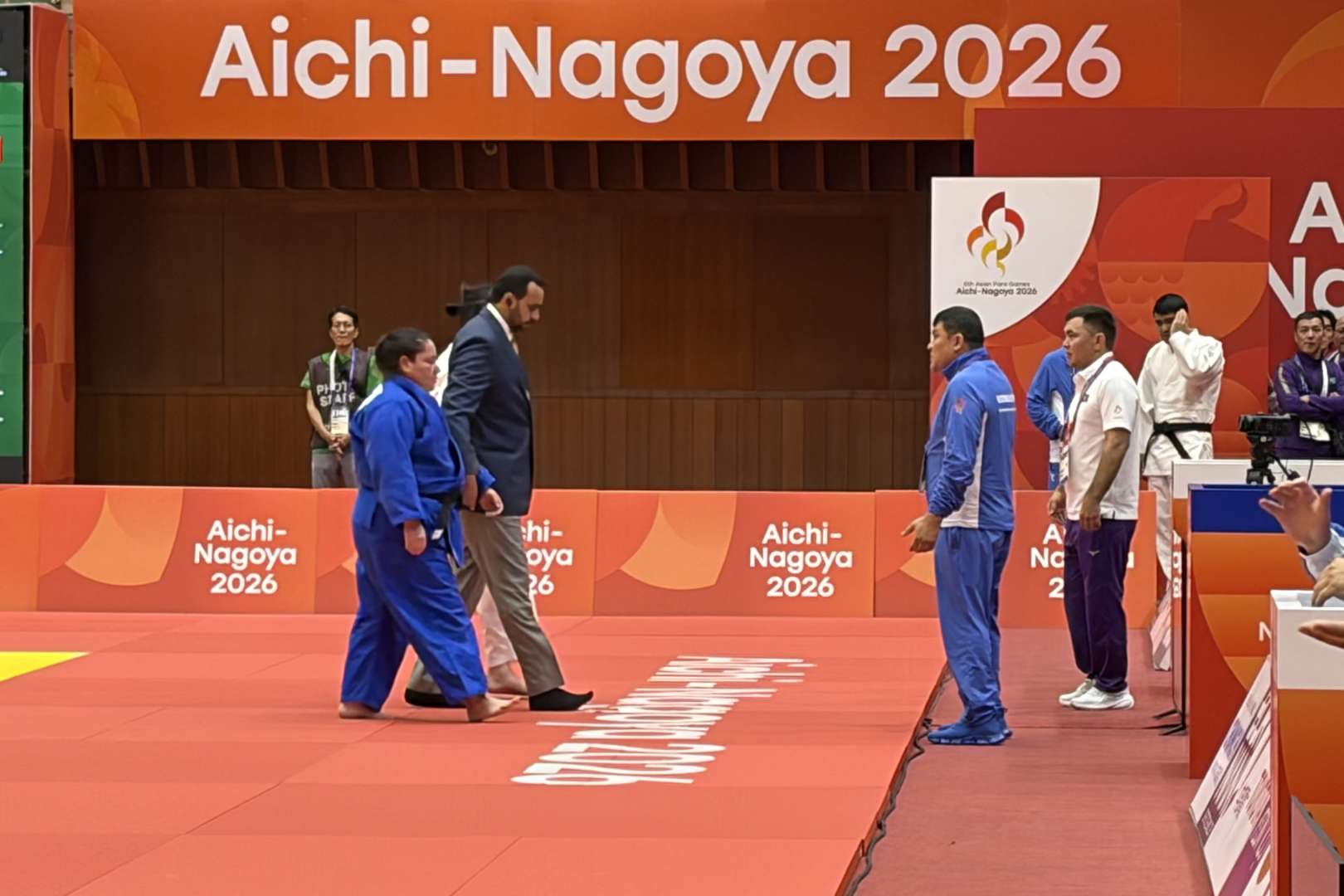
Take a moment to close your eyes, to listen intently to your environment or to navigate a route through it, unassisted. Imagine setting up for an uchi-mata in the middle of an arena, with no visual cues, just your own perception built from sound, touch and experience. The judo and the celebrations that sighted officials and spectators see on the mat have been produced by visually impaired athletes using a totally different feedback system from the norm. Reaching an elite level of Para judo in a world that caters, largely, for sighted people is something quite incredible.